بين التهويل الزلزالي والخطر المائي: هل تهدد تفجيرات الجنوب القلاع التاريخية والمياه الجوفية؟
بين التهويل الزلزالي والخطر المائي: هل تهدد تفجيرات الجنوب القلاع التاريخية والمياه الجوفية؟
خاص – منصة عشرة
لم يعد أثر التفجيرات العسكرية الضخمة الأخيرة في جنوب لبنان محصوراً في البعد الميداني فحسب؛ بل فتحت الموجات الاهتزازية الناتجة عنها نقاشاً علمياً وجيولوجياً واسعاً بين كبار الخبراء في لبنان.
ومع ضجيج وسائل الإعلام حول تسجيل هزات اصطناعية بلغت قوتها 3.8 درجات على مقياس ريختر نتيجة لتفجير شبكات الأنفاق، يبرز السؤال الأهم: ما الذي يحدث فعلياً في خفايا القشرة الأرضية وفي عمق الخزانات المائية التحتية للجنوب؟
بين المخاوف التكتونية المرتبطة بالفوالق، والتحذيرات الهيدروجيولوجية من تلوث صامت يهدد حياة السكان، تستعرض منصة “عشرة” القراءة العلمية الدقيقة لهذه التداعيات والتباينات الجوهرية بين الخبراء، معلنةً عن تصحيح علمي حاسم ومفاجئ.
د. سمير زعاطيطي لـ”منصة عشرة”: كفى “زلزلة” بالحقائق العلمية!
في تصريح خاص وحصري حصلت عليه منصة “عشرة” من الخبير الهيدروجيولوجي د. سمير زعاطيطي، وجّه الأخير انتقاداً علمياً لاذعاً لرواية “الهزات الاصطناعية بمقياس ريختر” التي تداولتها وسائل الإعلام وبعض الأوساط الجيولوجية بنوع من التهويل.
وحسم د. زعاطيطي الجدل الفيزيائي لـمنصتنا قائلاً: “لـمدعي العلم بالزلزال ولمن ينقل من وسائل الإعلام؛ التفجير السطحي لا ينتج عنه موجات زلزالية. الموجات الزلزالية تنتقل فقط ضمن الصخور (في أعماق الأرض)، بل ما نتج هي موجة صوتية صدمية تنتقل بالهواء ولا تقاس بريختر. كفى زلزلة بالحقائق العلمية”.
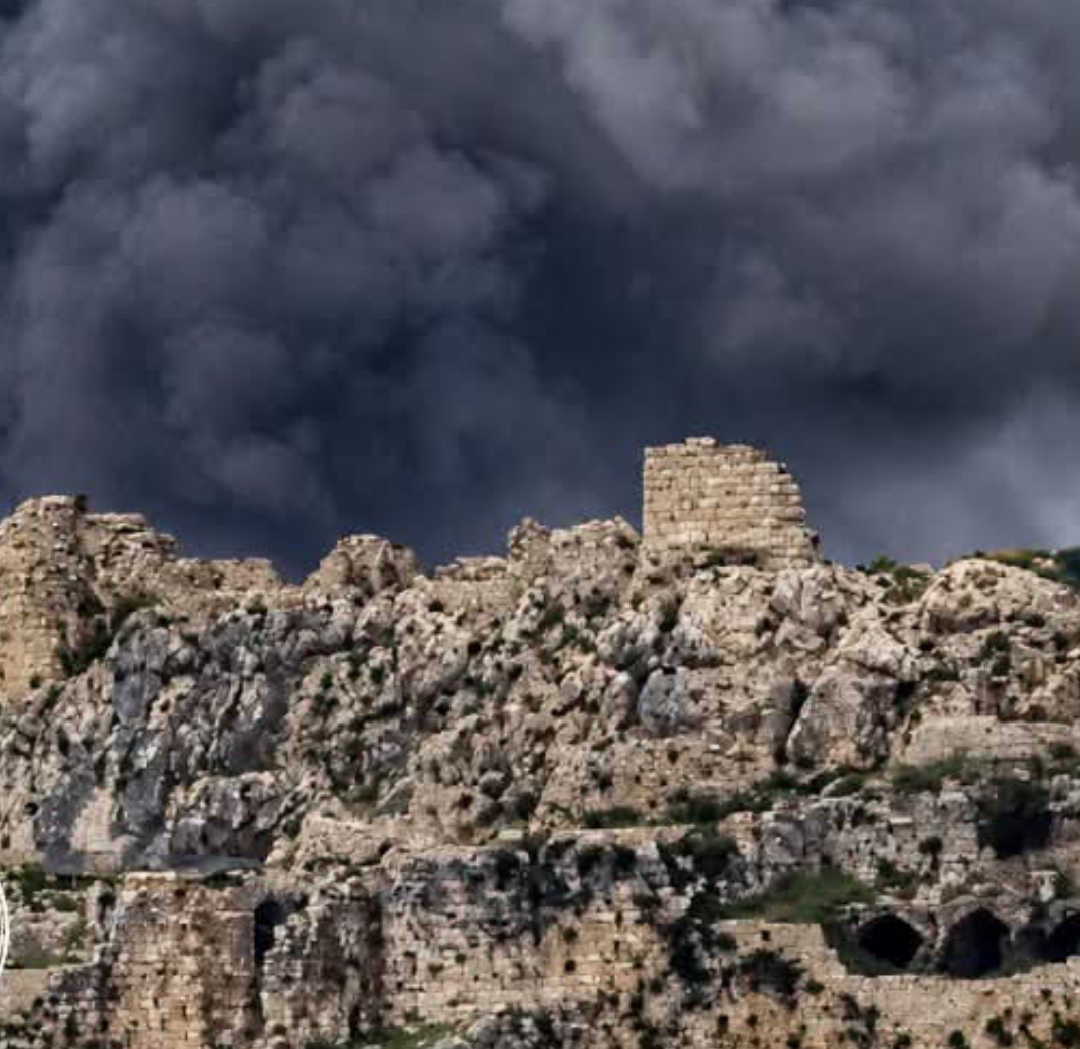
وفي سياق متصل، سجل د. زعاطيطي عتباً علمياً على عدم تصحيح المغالطة الجغرافية المرتبطة بموقع المعالم التاريخية؛ حيث أكد أن موقع “قلعة الشقيف” الأثرية يقع تاريخياً ومباشرة فوق خط فالق اليمونة التكتوني الرئيسي (وهو الخط الأم الملتحم مع انكسار البحر الميت)، وليس فوق فالق روم الفرعي كما جرى تداوله، وهو تمييز جوهري تماماً يغير الحسابات التكتونية وعمق الإجهاد الصخري كلياً.
د. طوني نمر: تحذيرات مبدئية من الصدمات المتتالية
وكان هذا النقاش العلمي قد انطلق في الأساس مع تحذيرات أطلقها الخبير الجيولوجي د. طوني نمر، متناولاً التداعيات البنيوية للتفجيرات العنيفة في محيط معالم جغرافية وتاريخية حساسة مثل قلعة الشقيف ووادي الخردلي. واعتبر نمر أن هذه الاهتزازات الاصطناعية وما تتضمنه من ضغوط موجات قد تشكل صدمات متتالية ومحفزاً (Trigger) لزيادة عدم الاستقرار البنيوي في المنطقة، محذراً من أن تفجير “تلة علي الطاهر” قد يمثل ضربة ثالثة لمسار فالق روم في الجنوب، بناءً على القراءة التي فندها وصححها د. زعاطيطي لاحقاً.
د. خليل زين: شروط علمية صارمة وتأكيد مخاطر التسمم والانسداد
من جهته، تقاطع الخبير الجيولوجي د. خليل زين مع الطرح البنيوي معتبراً إياه كلاماً منطقياً من الناحية النظرية، إلا أنه وضع شروطاً علمية صارمة للجزم بمدى التأثير الفعلي؛ مؤكداً أن تحديد حجم التداعيات يتطلب معرفة بيانات دقيقة وحاسمة تتمثل في: قوة الانفجار بالتحديد، العمق الذي حدث فيه، وموقعه الدقيق بالنسبة لخط الفالق.
لكن خطورة طرح د. زين برزت في شقها الهيدروجيولوجي والبيئي، حيث حذر من بُعدين بالغين الخطورة يهددان باطن الأرض:
التلوث الكيميائي الحاد: استخدام مواد مثل “نترات الأمونيا” في التفجيرات له تأثير خطير في تلوث المياه الجوفية بشكل مباشر وتسممها.
التغيير الفيزيائي للطبقات: قد تؤدي التفجيرات العنيفة إلى إحداث تغيير في التشققات الصخرية الحاملة للمياه وانسداد المسام الجيولوجية تحت السطح، مما يعوق حركة وتدفق المياه الطبيعية.
الخطر الحقيقي الصامت: تشويه “الكارست” وقنبلة النترات الموقوتة
بالانتقال من السجال الزلزالي والتكتوني الذي حسمه د. زعاطيطي، يتضح أن عين العاصفة الحقيقية تكمن في أثر فيزيائي وكيميائي مباشر يمس حياة الجنوبيين اليومية وصحتهم؛ حيث تتميز جغرافيا الجنوب بصخورها الكلسية المشققة المعروفة بظاهرة “الكارست”، وهي شبكة طبيعية مفتوحة تسمح بتسرب مياه الأمطار لتغذية الخزانات الجوفية.
ووفقاً للتحذيرات الهيدروجيولوجية، فإن الصدمات العنيفة تؤدي إلى تغييرات حادة تحت السطح تتلخص في:
تأثير فيزيائي مدمّر للآبار: تؤدي الاهتزازات إما لإغلاق وانسداد مسام الصخور وشقوقها المائية، أو فتح ممرات جديدة، مما يهدد بجفاف بعض الآبار وتغيير مجاري الينابيع، فضلاً عن خطر انهيار الآبار الارتوازية القريبة وتطبيقها نتيجة تفتت الصخور المحيطة بها.
تلوث كيميائي بعيد المدى (النترات): المواد المستخدمة في التفجير تكون مخلوطة بالنترات التي تنتشر في الهواء وتستقر فوق التربة. ومع هطول الأمطار، تذوب هذه المواد الكيميائية السامة وتتسرب بسرعة فائقة عبر التشققات الكلسية المفتوحة لتصل مباشرة إلى مخازن المياه الجوفية.
تهديد مميت لصحة الأطفال: ينجم عن وصول النترات إلى مياه الشرب تفاعل حيوي خطير داخل الجسم؛ إذ تهاجم النترات “الهيموغلوبين” في الدم وتعيق قدرته على نقل الأكسجين بفعالية. هذا التفاعل يشكل خطراً حرجاً ومباشراً على فئة الأطفال الصغار تحديداً، مسبباً حالات اختناق حادة وصامتة.
توصية المنصة
أمام هذه المعطيات العلمية المقلقة والتحذيرات المشتركة بين الخبراء، تطلق منصة “عشرة” نداءً عاجلاً إلى البلديات، والاتحادات المحلية، والجهات البيئية والمائية في مناطق الجنوب اللبناني، بضرورة المبادرة الفورية إلى:
إجراء مسح ميداني وفحوصات مخبرية دورية لسلامة مياه الآبار الارتوازية المستعملة للشرب والري.
قياس نسب النترات كيميائياً للتأكد من خلوها من مخلفات المتفجرات الكيميائية السامة.
الكشف الهيدروليكي على البنية الإنشائية للآبار القريبة من مواقع التفجير للتأكد من عدم تعرضها للانسداد أو الانهيار التحت سطحي.
إن حماية الثروة المائية وصحة المواطن في الجنوب لا تقل أهمية اليوم عن حماية أمنه وفوق أرضه.
الترجمة إلى اللغة الإنكليزية (English Translation)
Between Seismic Hype and Water Peril: Do South Lebanon’s Explosions Threaten Historic Castles and Groundwater?
By: 10Lebanon Team
The impact of the recent massive military explosions in South Lebanon is no longer confined to the battlefield; the resulting shockwaves have triggered a broad scientific and geological debate among top experts in Lebanon. Amid the media noise regarding the registration of artificial tremors measuring 3.8 on the Richter scale due to the detonation of tunnel networks, the most critical question arises: What is actually happening within the earth’s crust and deep within the underground water aquifers of the South?
Between tectonic fears related to fault lines and hydrogeological warnings of a silent pollution threatening residents’ lives, “10Lebanon” explores the precise scientific readings of these repercussions and the fundamental disagreements among experts, revealing a decisive and surprising scientific correction.
Dr. Samir Zaatiti to “10Lebanon”: Stop “Quaking” Scientific Facts!
In an exclusive statement to “10Lebanon,” hydrogeologist Dr. Samir Zaatiti launched a sharp scientific critique against the narrative of “artificial earthquakes on the Richter scale” circulated by the media and some geological circles, calling it a form of exaggeration.
Dr. Zaatiti settled the physical debate for our platform, stating: “To those claiming knowledge of earthquakes and those quoting the media: surface explosions do not produce seismic waves. Seismic waves travel only within rocks (deep underground). Instead, what resulted was a sonic shockwave that travels through the air and is not measured by the Richter scale. Stop quaking scientific facts!”
In a related context, Dr. Zaatiti expressed scientific reproach over the failure to correct a common geographical error regarding the location of historic landmarks. He confirmed that the historic “Beaufort Castle” (Qalaat al-Shaqif) is historically and directly located above the main Yammouneh Tectonic Fault line (the parent line connected to the Dead Sea Transform), and not above the secondary Roum Fault as circulated. This is a fundamental distinction that entirely changes the tectonic calculations and the depth of rock stress.
Dr. Tony Nemer: Initial Warnings of Successive Shocks
This scientific debate initially kicked off with warnings issued by geological expert Dr. Tony Nemer, addressing the structural repercussions of the violent explosions near sensitive geographical and historical landmarks such as Beaufort Castle and the Khardali Valley. Nemer considered that these artificial vibrations and the resulting wave pressures could constitute consecutive shocks and a trigger for increased structural instability in the region, warning that the bombing of “Ali al-Taher Hill” could represent a third strike to the path of the Roum Fault in the South—a reading that Dr. Zaatiti later refuted and corrected.
Dr. Khalil Zein: Strict Scientific Conditions and Confirmation of Clogging and Poisoning Risks
For his part, geological expert Dr. Khalil Zein overlapped with the structural argument, considering it logical from a theoretical standpoint. However, he set strict scientific conditions to determine the actual impact, stressing that assessing the scale of the repercussions requires precise and crucial data: the exact strength of the explosion, its precise depth, and its exact location relative to the fault line.
However, the gravity of Dr. Zein’s argument emerged in its hydrogeological and environmental aspect, where he warned of two highly dangerous dimensions threatening the subsurface:
- Acute Chemical Pollution: The use of materials like “ammonium nitrate” in explosions has a dangerous effect, directly polluting and poisoning groundwater.
- Physical Alteration of Layers: Violent explosions can alter the rock fractures carrying water and clog geological pores subsurface, hindering the natural movement and flow of water.
The Real Silent Danger: Distorting “Karst” and the Nitrate Time Bomb
Moving away from the seismic and tectonic debate settled by Dr. Zaatiti, it becomes clear that the eye of the real storm lies in a direct physical and chemical impact affecting the daily lives and health of southerners. The geography of the South is characterized by fractured limestone rocks known as the “Karst” phenomenon—a natural open network that allows rainwater to seep through and recharge underground aquifers.
According to hydrogeological warnings, violent shocks lead to sharp changes subsurface, summarized as follows:
- Destructive Physical Impact on Wells: Vibrations lead either to closing and clogging rock pores and water fractures or opening new pathways, threatening the drying up of some wells and changing the courses of underground springs, as well as the risk of the collapse and clogging of nearby artesian wells due to the fragmentation of surrounding rocks.
- Long-term Chemical Pollution (Nitrates): The materials used in explosions are mixed with nitrates, which disperse into the air and settle on the surrounding soil. With rainfall, these toxic chemicals dissolve and seep at a rapid pace through the open limestone fractures to reach the underground water reservoirs directly.
- A Lethal Threat to Children’s Health: The arrival of nitrates into drinking water triggers a dangerous biological reaction inside the body; nitrates attack “hemoglobin” in the blood and impair its ability to transport oxygen effectively. This reaction poses a critical and direct threat specifically to young children, causing acute and silent suffocation.
Platform Recommendation
In light of these alarming scientific data and shared warnings among experts, “10Lebanon” issues an urgent call to municipalities, local unions, and environmental and water authorities in the regions of South Lebanon to take immediate action to:
- Conduct field surveys and regular laboratory tests on the safety of artesian well water used for drinking and irrigation.
- Measure nitrate levels chemically to ensure they are free from toxic chemical explosives residues.
- Conduct hydraulic inspections on the structural integrity of wells near explosion sites to ensure they have not suffered subsurface clogging or collapse.
Protecting water wealth and citizens’ health in the South is no less important today than protecting their security on their land.
الترجمة إلى اللغة الفرنسية (French Translation)
Entre battage sismique et péril hydrique : Les explosions du Sud menacent-elles les châteaux historiques et les eaux souterraines ?
Par : L’équipe de 10Lebanon
L’impact des récentes explosions militaires massives dans le Sud-Liban ne se limite plus au champ de bataille ; les ondes de choc qui en résultent ont déclenché un large débat scientifique et géologique parmi les plus grands experts du Liban. Alors que les médias font grand bruit autour de l’enregistrement de secousses artificielles d’une magnitude de 3,8 sur l’échelle de Richter dues à la détonation de réseaux de tunnels, la question la plus cruciale se pose : Que se passe-t-il réellement dans la croûte terrestre et au plus profond des aquifères souterrains du Sud ?
Entre craintes tectoniques liées aux failles et avertissements hydrogéologiques d’une pollution silencieuse menaçant la vie des habitants, “10Lebanon” explore les lectures scientifiques précises de ces répercussions et les désaccords fondamentaux entre experts, révélant une correction scientifique décisive et surprenante.
Dr Samir Zaatiti à “10Lebanon” : Arrêtez de faire “trembler” les faits scientifiques !
Dans une déclaration exclusive accordée à “10Lebanon”, l’hydrogéologue Dr Samir Zaatiti a lancé une vive critique scientifique contre le récit des “séismes artificiels sur l’échelle de Richter” colporté par les médias et certains milieux géologiques, qualifiant cela d’exagération.
Le Dr Zaatiti a tranché le débat physique pour notre plateforme en déclarant : “À ceux qui prétendent s’y connaître en séismes et à ceux qui reprennent les informations des médias : les explosions de surface ne produisent pas d’ondes sismiques. Les ondes sismiques ne se propagent qu’à l’intérieur des roches (profondément sous terre). Ce qui a résulté, c’est une onde de choc sonique qui se déplace dans l’air et ne se mesure pas sur l’échelle de Richter. Arrêtez de faire trembler les faits scientifiques !”
Dans un contexte connexe, le Dr Zaatiti a exprimé un reproche scientifique sur l’absence de correction d’une erreur géographique courante concernant l’emplacement des monuments historiques. Il a confirmé que le site historique du “Château de Beaufort” (Qalaat al-Shaqif) est situé historiquement et directement au-dessus de la ligne de la faille tectonique de Yammouneh principale (la ligne mère connectée à la faille du Levant), et non au-dessus de la faille de Roum secondaire comme cela a été diffusé. C’est une distinction fondamentale qui change totalement les calculs tectoniques et la profondeur des contraintes rocheuses.
Dr Tony Nemer : Avertissements initiaux de chocs successifs
Ce débat scientifique avait initialement débuté par des avertissements lancés par l’expert géologue Dr Tony Nemer, abordant les répercussions structurelles des violentes explosions à proximité de repères géographiques et historiques sensibles tels que le Château de Beaufort et la vallée de Khardali. Nemer a considéré que ces vibrations artificielles et les pressions d’ondes qui en résultent pourraient constituer des chocs consécutifs et un déclencheur (trigger) d’une instabilité structurelle accrue dans la région, avertissant que le bombardement de la “colline d’Ali al-Taher” pourrait représenter un troisième coup porté au tracé de la faille de Roum dans le Sud — une lecture que le Dr Zaatiti a réfutée et corrigée par la suite.
Dr Khalil Zein : Conditions scientifiques strictes et confirmation des risques de colmatage et d’empoisonnement
Pour sa part, l’expert géologue Dr Khalil Zein a rejoint l’argument structurel, le jugeant logique d’un point de vue théorique. Cependant, il a posé des conditions scientifiques strictes pour déterminer l’impact réel, soulignant que l’évaluation de l’ampleur des répercussions nécessite des données précises et cruciales : la puissance exacte de l’explosion, sa profondeur précise et son emplacement exact par rapport à la ligne de faille.
Cependant, la gravité de l’argument du Dr Zein est apparue dans sa dimension hydrogéologique et environnementale, où il a mis en garde contre deux dimensions hautement dangereuses menaçant le sous-sol :
- Pollution chimique aiguë : L’utilisation de matières comme le “nitrate d’ammonium” dans les explosions a un effet dangereux, polluant et empoisonnant directement les eaux souterraines.
- Altération physique des couches : Les explosions violentes peuvent altérer les fractures rocheuses transportant l’eau et colmater les pores géologiques en sous-surface, entravant le mouvement et l’écoulement naturels de l’eau.
Le vrai danger silencieux : Déformation du “Karst” et bombe à retardement des nitrates
En s’éloignant du débat sismique et tectonique tranché par le Dr Zaatiti, il devient clair que le cœur de la véritable tempête réside dans un impact physique et chimique direct affectant la vie quotidienne et la santé des habitants du Sud. La géographie du Sud se caractérise par des roches calcaires fracturées, un phénomène connu sous le nom de “Karst” — un réseau naturel ouvert qui permet à l’eau de pluie de s’infiltrer et de recharger les aquifères souterrains.
Selon les avertissements hydrogéologiques, les chocs violents entraînent des changements abrupts en sous-surface, résumés comme suit :
- Impact physique destructeur sur les puits : Les vibrations entraînent soit la fermeture et le colmatage des pores rocheux et des fractures aquifères, soit l’ouverture de nouvelles voies, menaçant d’assécher certains puits et de modifier le cours des sources souterraines, ainsi qu’un risque d’effondrement et de colmatage des puits artésiens voisins en raison de la fragmentation des roches environnantes.
- Pollution chimique à long terme (Nitrates) : Les matériaux utilisés dans les explosions sont mélangés à des nitrates, qui se dispersent dans l’air et se déposent sur le sol environnant. Avec les précipitations, ces produits chimiques toxiques se dissolvent et s’infiltrent à un rythme rapide à travers les fractures calcaires ouvertes pour atteindre directement les réservoirs d’eau souterraine.
- Une menace mortelle pour la santé des enfants : L’arrivée des nitrates dans l’eau potable déclenche une réaction biologique dangereuse à l’intérieur de l’organisme ; les nitrates attaquent “l’hémoglobine” dans le sang et altèrent sa capacité à transporter l’oxygène efficacement. Cette réaction pose une menace critique et directe spécifiquement pour les jeunes enfants, provoquant une suffocation aiguë et silencieuse.
Recommandation de la plateforme
À la lumière de ces données scientifiques alarmantes et des avertissements partagés entre experts, “10Lebanon” lance un appel urgent aux municipalités, aux unions locales et aux autorités chargées de l’environnement et de l’eau dans les régions du Sud-Liban pour qu’elles prennent des mesures immédiates afin de :
- Mener des enquêtes de terrain et des analyses de laboratoire régulières sur la salubrité de l’eau des puits artésiens utilisée pour la consommation et l’irrigation.
- Mesurer chimiquement les niveaux de nitrates pour s’assurer qu’ils sont exempts de résidus d’explosifs chimiques toxiques.
- Effectuer des inspections hydrauliques sur l’intégrité structurelle des puits proches des sites d’explosion pour s’assurer qu’ils n’ont pas subi de colmatage ou d’effondrement en sous-surface.
Protéger la richesse hydrique et la santé des citoyens dans le Sud n’est pas moins important aujourd’hui que de protéger leur sécurité sur leur terre.
اكتشاف المزيد من عَشرة | منصّة عَشَرة للمحتوى الموزون
اشترك للحصول على أحدث التدوينات المرسلة إلى بريدك الإلكتروني.